


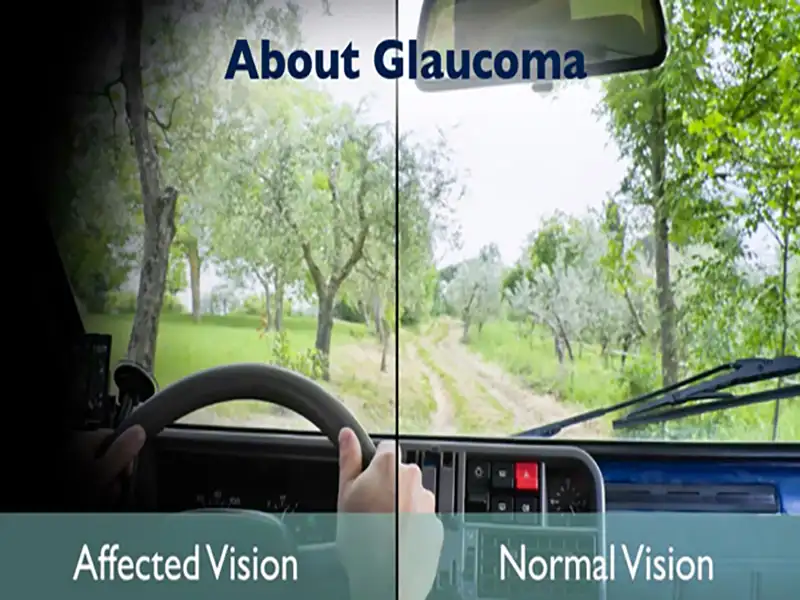
Glaucoma is an eye condition where your optic nerve gets damaged. It happens because of pressure in the eye nerves. The prevalence rate is 2.65%. It affects people of age group 40 and above.
Glaucoma is found mostly in old aged people. Glaucoma occurs simultaneously in both the eyes, though the effect may differ in each.
Symptoms of Glaucoma
A person suffering from glaucoma might have these symptoms:
- One can have a hazy or blurred vision.
- There can also be an appearance of rainbow-colored circles when around bright lights.
- Other common symptoms found are severe eye and head pain, nausea, vomiting.
- There may also a sudden loss of eyesight in some cases.
Most people do not have any eye pain or have any symptoms in the early stages of the disease. One of the symptoms can also be loss of peripheral or side vision.
Causes of Glaucoma
If you have a history of glaucoma and you’re above 40 years of age, it is advisable to get a proper eye examination done as it can also be hereditary. It happens when eye fluid, known as aqueous humor, is not able to circulate properly in the eyes. A person suffering from diabetes is also at a high risk of developing glaucoma.
Other causes that can result in glaucoma include a severe eye injury or an eye infection, blockage of blood vessels, inflammatory conditions of the eye, and even eye surgery.
Treatment of Glaucoma
The eye doctor will examine your eyes through dilated pupils. The eye doctor will be able to spot the affected condition of the optic nerve through this test, a specific way it looks like when a person has glaucoma.
The eye doctor can also conduct a tonometry test to check the pressure on the optic nerve. He might also conduct a visual field test to check for peripheral loss of vision.
With our range of Glaucoma Treatment Services, you can rest assured that we follow world-class management practices.
Also Read– Everything You Need To Know About Crossed Eye
Frequently Asked Questions
What are the reasons for blurry vision in Glaucoma?
Glaucoma is a serious eye condition that severely damages the optic nerve and ultimately leads to blurry vision and blindness. Glaucoma causes blurry vision as it severely damages the optic nerve. The condition is said to be the second leading cause of blindness and is of different types. Open-angle glaucoma is a medical urgency and a common type that affects many. The primary signs of this type are blurred or reduced vision. Not only this, but the condition makes people need more light for sight.
Can Glaucoma make a person blind?
Sadly, glaucoma leads to blindness, which is irreversible. Early detection of glaucoma symptoms and treatment can help people avoid blindness from the condition. The condition can make a person experience vision loss and become blind because it damages the optic nerve severely and affects the information that is transmitted to the brain. It starts with peripheral vision and, with time, goes to central vision if left unnoticed and untreated. So it is vital to notice the sign early to get prompt treatment to prevent vision loss.
Is it possible to manage glaucoma effectively?
Glaucoma is a manageable eye condition, and early diagnosis is the key to preventing it from becoming complicated.
Glaucoma blurry vision treatment includes:
- Eye drops that are effective in reducing intraocular pressure and slowing disease progression. This is said to be the first-line treatment for the condition.
- Laser therapy to help improve fluid drainage and lower eye pressure. It is also considered an effective first-line therapy for glaucoma.
- Surgery may also be performed to treat glaucoma. There are many types of glaucoma surgeries, such as MIGS and trabeculectomy.
What are the risk factors of glaucoma?
It is essential to understand the risk factors of glaucoma to stay careful and prevent complications. Regular eye exams can help detect early signs.
You are more prone to developing glaucoma if you are:
- Above 60 years old
- Have a family history of glaucoma
- Have high eye pressure
- Have a thin cornea
- Diabetic
Can working long hours on a computer affect my glaucoma?
No evidence proves that using a digital screen for too long can affect glaucoma or increase the risk of developing it. However, prolonged use of computers or phones can cause digital eye strain and computer vision syndrome. Limiting screen time and taking breaks can help reduce eye strain.
Is glaucoma curable?
No, glaucoma is not curable, but it can be managed effectively. Early detection and regular eye examinations help in controlling the condition. Treatments include medication, laser therapy, and surgery to slow or stop vision loss.
What are the symptoms of glaucoma that you must not ignore?
Glaucoma often shows no warning signs in the early stages. It develops silently and can lead to vision loss or blindness if untreated.
Symptoms of open-angle glaucoma
- No signs at early stages
- Patchy blind spots in side vision
- Difficulty seeing at later stages
Symptoms of acute angle-closure glaucoma
- Severe headache
- Severe eye pain
- Vomiting
- Blurred vision
- Eye redness