30+
Centers


Centers

Doctors

Patients Treated
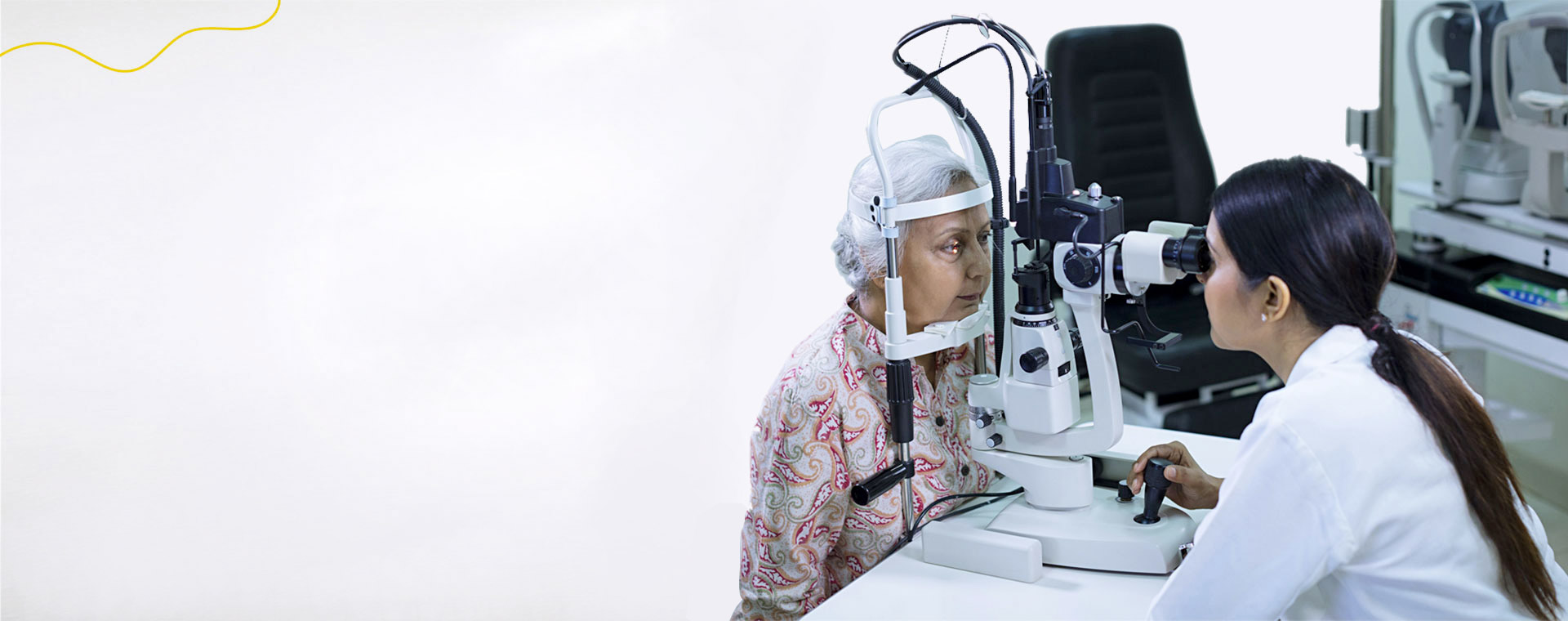
Since Inception, we’ve been offering personalized eye care to patients

from AIIMS & others re-owned institutes

25 certified/accredited NABH Centers

Tied up with insurance companies, providing you with a hassle-free experience.
General eye care deals with a routine check-up and common eye problems such as dry eyes, eye pain, eye infection, conjunctivitis etc. EYE-Q hospitals have a world-class infrastructure to cater to the needs of the patients. Doctors have vast experience in offering solutions to patients for eye care and treating general eye problems. Know More
Cataract is a disease which mostly occurs in the elderly population. Cataract requires immediate doctor advice to get the treatment. EYE-Q hospitals offers laser automated technology for Cataract (मोतियाबिंद) operation which is a bladeless and painless method. EYE-Q doctors have successfully treated cataract patients and again brought back life to their vision. Know More
Retinal tearing and retinal detachment are treated using retinal surgery which is combined using laser photocoagulation and retinal freezing cryopexy techniques. EYE-Q hospitals & clinics offers treatment which is best suited to patient requirements. EYE-Q eye doctors have successfully performed retina (रेटिना) surgeries without any complications. Know More
Lasik (लसिक) surgery is the best way to get rid of the eyeglasses. EYE-Q hospitals offer comprehensive detailed eye check up to check whether the patient is suitable for LASIK surgery or not. The eye check-up ensures that the patient is completely fit to undergo treatment. EYE-Q doctors have a decade of experience in performing eye surgery. Know More
Glaucoma occurs when the optic nerve gets damaged due to intraocular pressure which can result in vision loss also depending on the severity. Doctors need to be consulted immediately for better chances of recovery. Eye-Q specialist doctors have a wide range of experience in dealing with Glaucoma which requires treatment combined with psychological counseling. Know More
ICL, also known as the Implantable Collamer Lens, is a type of refractive procedure to help correct the most common visual problem, myopia. ICL is a removable lens implant that is an attractive alternative to LASIK and other refractive procedures. Know More
Squint is a common eye error where the eyes point in different directions. Squinting could be present all the time or happen only some of the time and can happen in only one or both eyes. It is often mislead that squint eye is a permanent eye defect and cannot be treated.Know More

Optical services are offered at EYE-Q hospitals. Our experienced optometrists are professionally qualified to deliver quality services to the clients. EYE-Q has invested in faster glazing machines to offer the best spectacles and contact lenses for the patient with vision problems. Eye-Q has collaborated with Pinnacle optical Pvt Ltd. Know More
At Eye-Q, we have specialist doctors who have extensive experience in treating eye defects and caters to the eye problems of the people. Our topmost priority is the comfort and well-being of the patients.
2nd Floor, Silver Bell Complex, Fatehgunj Main Rd, Opp. MGVCL Office, Fatehgunj, Vadodara, Gujarat 390002
See on Map > Book An Appointment3rd Floor, SNS House, Above TBZ Showroom Near Court Building, Parle Point, Athwalines, Surat, Gujarat 395007
See on Map > Book An Appointment2nd Floor Raina Arcade, Near Navyug College, Rander Road, Surat, Gujarat 395009
See on Map > Book An Appointment2nd Floor, SNS House,Udhana Teen Rasta, Opposite Silicon Shoppers, Udhana Main R, Surat, Gujarat 394210
See on Map > Book An Appointment1st Floor, Modi Compound, Panch Batti, Bharuch, Gujarat 392001
See on Map > Book An AppointmentNear Sapphire Hotel, Yamunanagar, Yamuna Nagar, Haryana 135003
See on Map > Book An AppointmentK.C.272, Atlas Road, Railway Quarters, Model Town,Near State Bank of India, Sonipat, Haryana 131001
See on Map > Book An AppointmentGround Floor, 707, Makroli House, Opp. Jagmohan Motors, Sonipat Road, Mansarover Colony, Rohtak, Haryana 124001
See on Map > Book An AppointmentCircular Road Near, Chowk, Ambedkar Chowk, Garhi Bolni, Rewari, Haryana 123401
See on Map > Book An Appointment18, Arya Nagar, Near Savera School Jhajjar, Jhajjar, Haryana, Jhajjar, Haryana 124103
See on Map > Book An AppointmentJindal Chowk Hisar Dayanand Colony New, Model Town Extension, New Model Town, Hisar, Haryana 125005
See on Map > Book An AppointmentH.No-433/9C/2 , Tayal Garden, Barwala Road Hisar, Hisar, Haryana 125005
See on Map > Book An AppointmentNursing Home 1, Behind Huda Market, Huda Colony, Sector 46, Gurugram, Haryana 122001
See on Map > Book An AppointmentPlot No.531, GolF Course Road, Near Super Mart I, Sector 27, DLF Phase IV, Gurugram, Haryana 122009
See on Map > Book An AppointmentSheetla Hospital, Near DSD Collage, New Railway Road, Subhash Nagar, Gurugram, Haryana 122001
See on Map > Book An AppointmentH.No. 7-8, Model Town, Near Bus Stand, Fatehabad, Haryana 125050
See on Map > Book An AppointmentDadriRoad, Near Rohtak Gate Opp. KM Hospital, Bhiwani, Haryana 127021
See on Map > Book An AppointmentEye-Q Super Speciality Eye Hospitals, Opposite Mali Gate Police Chowki Khumranpul, Saharanpur
See on Map > Book An AppointmentEye-Q Super Speciality Eye Hospitals, in association with Shiva Netralaya, Hakikat Nagar Mod, Sadar Thana Road, Saharanpur – 247001
See on Map > Book An AppointmentFirst Floor, 171, Court Road, above Axis Bank Ltd, Civil Lines South, Muzaffarnagar, Uttar Pradesh 251001
See on Map > Book An AppointmentEye-Q Super Speciality Eye Hospitals, 2025, E Block, Near Dena Bank, Rajajipuram, Lucknow – 226017
See on Map > Book An AppointmentB-60, Sector-B, Near Radhe Lal Sweets, Aliganj, Kapoorthala Road, Lucknow, Uttar Pradesh 226020
See on Map > Book An Appointment113/57 Mall Road, Opposite Motijheel, Khalasi Line, Swaroop Nagar, Kanpur, Uttar Pradesh 208001
See on Map > Book An AppointmentSachan Guest House, 127/621/40 W-Block, Scheme-2 , Juhi Kala, Kanpur, Uttar Pradesh 208027
See on Map > Book An AppointmentChandarpuri Road. Near Sindhi Sweets, Chowmandi, Chand Puri Nagar, Roorkee, Uttarakhand 247667
See on Map > Book An Appointment8/6, Nainital Road, Opp.Taxi Stand, Bhotia Paraow, Haldwani, Uttarakhand 263139
See on Map > Book An AppointmentAt Eye-Q, our eye specialist doctors have more than a decade of experience in treating eye patients. Our topmost priority is the comfort and well-being of the patients. EYE-Q has successfully treated more than 75 lakh patients in 17+ years.
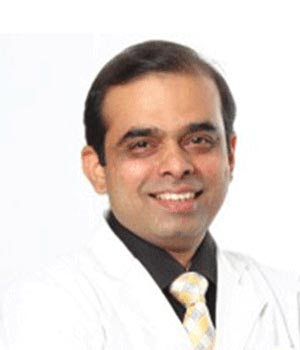
Chief Medical Director
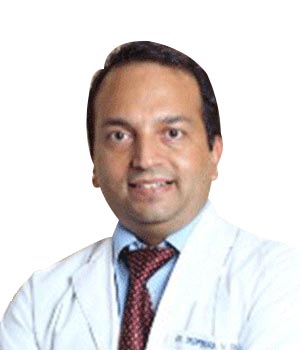
Medical Director - Retina Services
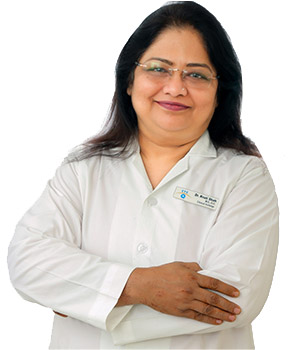
Regional Medical Director
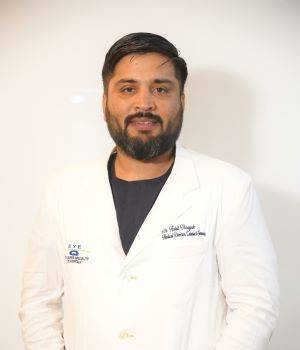
Deputy Director -Cataract Services
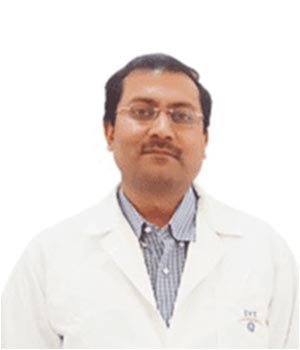
Deputy Director - LASIK & Refractive Services
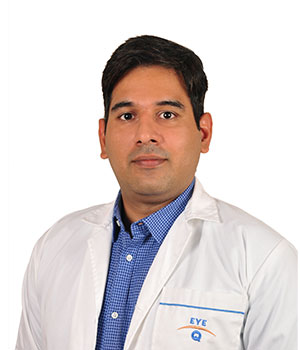
Consultant
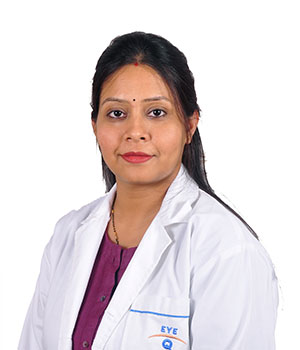
Consultant
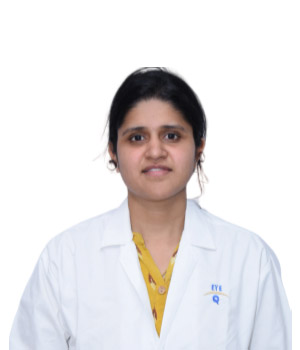
Clinical Incharge
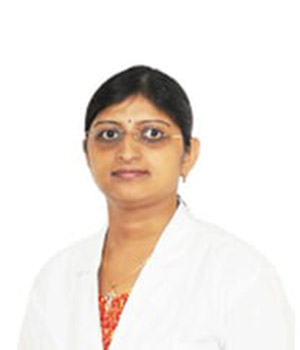
Clinical incharge
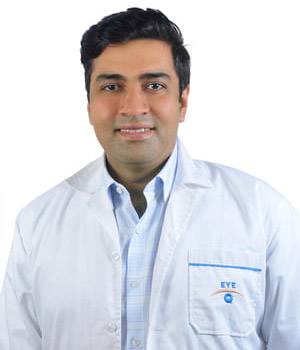
Clinical Incharge










Mediclaim Cashless Services can be easily availed at Eye-Q hospitals across India. Cashless mediclaim services provide flexibility of availing medical treatment by an Insured person without worrying about the Finances. Cashless mediclaim service providers offer ease to patients in case of medical emergency by settling Medical bills directly with hospitals. List of TPA (Third party administrator), Government panels and insurance companies for availing cashless Mediclaim at EYE-Q hospitals are … Read More >
Note: Prior approval of TPA is required in case of availing cashless mediclaim. Check all the conditions and procedures insurance before availing cashless mediclaim.
Get the right EyeQ Care. Book your appointment with best eye specialist.

Thanks for your interest in EYE-Q INDIA. Welcome to your first step towards Healthy Eyes
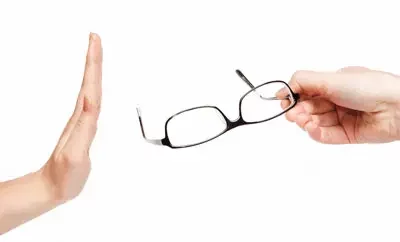
Numerous eye diseases can be treated with laser eye surgery, which also helps to improve eyesight. Although procedures like LASIK are becoming more and more popular, not ...

I am pleased with my whole experience at Eye-Q hospitals. Everyone was very caring and professional. I especially liked the personal counseling that was provided to me. It made me feel confident I would get the best result after LASIK surgery.

I was impressed by the staff and doctors of Eye-Q. After the surgery at EYE-Q hospitals, I am comfortable and have clear vision in my right eye with Multifocal Lens. I found it very convenient and long-term benefits.
Bladeless I-Lasik is really worth it. I’ve started seeing the world in a different way and more than anything I wanted to experience the world naturally without contact or glasses. I chose Eye-Q India because when it comes to your eyes you shouldn’t trust anyone but the best.